Other, Another, and Others for Kids
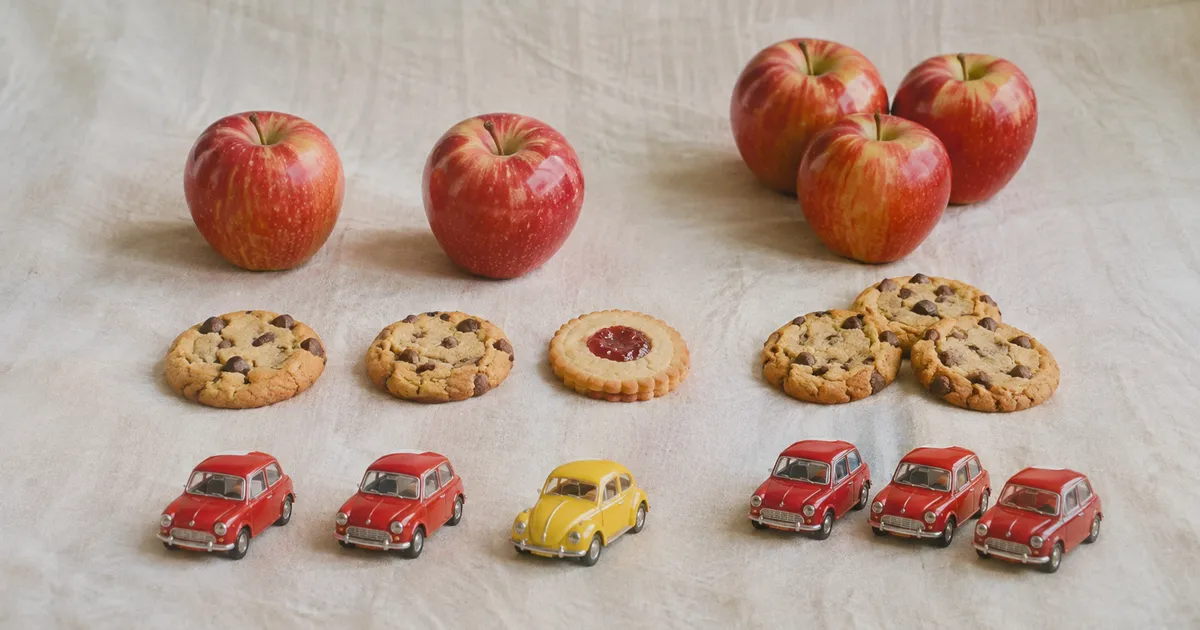
Other means different or additional; another means one more or a different single item; others replaces a plural noun. Other, Another, and Others: A Practical Guide for Kids connects each form with its noun. Compare “other games,” “another game,” and “some games are short; others are long.” Check whether each noun is singular, plural, or absent, then explore these examples and exercises.
📥 Other, Another, and Others Practice Pack
Choose the right form, correct mistakes, and complete clear sentences.
Leave your email — we'll send the PDF to your inbox.No spam — the PDF plus one short reminder. Unsubscribe anytime.
What Children Need to Understand
First, spot each noun: person, place, animal, or thing. In “another pencil” and “other pencils,” pencil and pencils are nouns. In “I need others,” others replaces pencils.
Next, test countability: books, questions, and bananas are countable; water, music, and homework are uncountable. Use another before one singular countable noun. Use other before plural countable or uncountable nouns.
Throughout Other, Another, and Others: A Practical Guide for Kids, ask whether a noun follows the target word. Children can point toward it, then choose the matching form.
A Clear Comparison of the Main Forms
Noun number and presence determine each form. This table keeps Other, Another, and Others: A Practical Guide for Kids focused on quantity, written nouns, and specific groups.
Start with three patterns: another + one noun, other + more than one noun, and others + no noun. Add the other and the others once those patterns feel familiar.
How to Use Other
Use other before plural countable nouns: “other toys,” “other countries,” or “other answers.” It marks different people or things: “This puzzle is easy, but the other puzzles are harder.”
Before uncountable nouns, other means a different kind or additional amount: “other music,” “other information,” or “other food.” Because information is uncountable, say “another piece of information,” not “another information.”
In Other, Another, and Others: A Practical Guide for Kids, other follows determiners such as my, your, this, and the: “my other shoe,” “your other idea,” and “the other page.”
How to Use Another and Others
Use another before one singular countable noun. “Can I have another apple?” requests one more; “Let us try another activity” requests a different activity. Context reveals which meaning applies.
Another can stand alone when its noun remains understood: “May I do another?” still means another puzzle. Older learners may meet “another ten minutes,” where a number follows another.
Use others without a noun: “Some children chose drawing; others chose a word game.” Other, Another, and Others: A Practical Guide for Kids offers a quick test: written noun naming multiple items—other; understood noun naming several items—others.
Common Mistakes and Simple Corrections
Never place another before a plural noun. Use “another books” with “another book” for one item or “other books” for multiple items. Ask: “one or more than one?”
Never add a noun after others. Change “Others children are outside” to “Other children are outside.” Without the noun, write: “Some children are inside; others are outside.”
Distinguish another from the other. “Choose another card” allows a wider choice. “One card is red; the other card is yellow” identifies the final item in a pair. Other, Another, and Others: A Practical Guide for Kids makes that contrast easier to remember.
Practice Activities
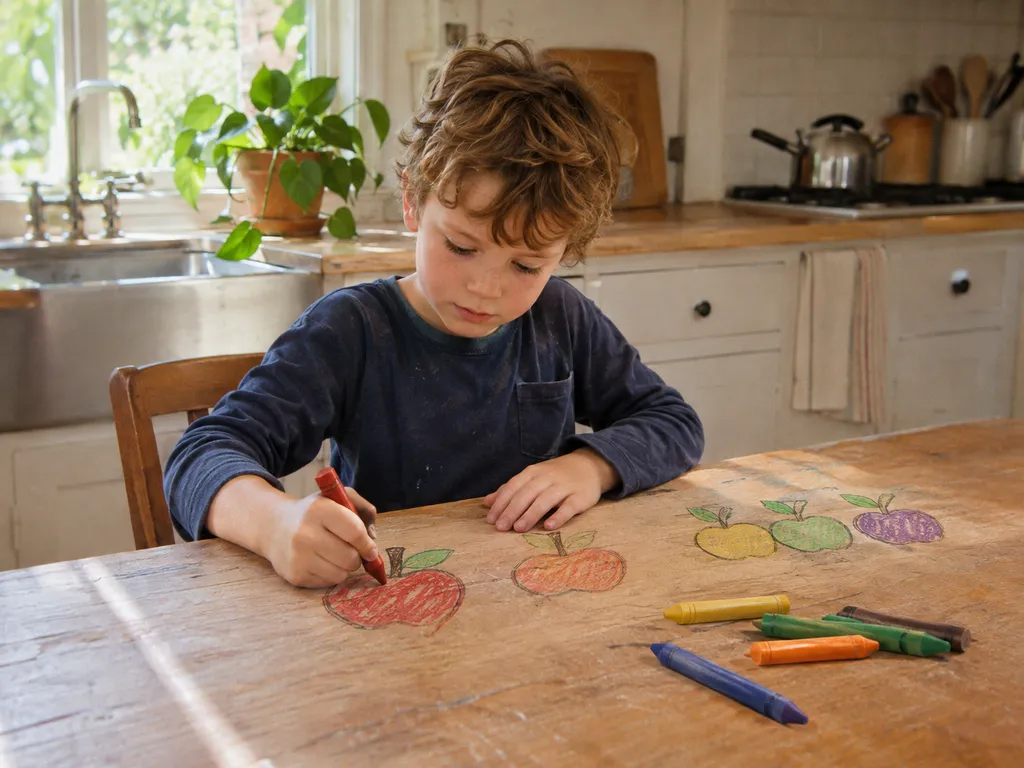
Begin with spoken practice. Place familiar objects on a table; request “another block,” “the other pencil,” or “other crayons.” Your child moves the correct object, then repeats the phrase.
Choose the Correct Word
Fill each gap with other, another, or others.
1. May I read _____ story?
2. Some birds are small; _____ are large.
3. We need _____ chairs for the game.
4. Would you like _____ orange?
Answers: 1. another; 2. others; 3. other; 4. another.
After checking, request one reason per answer: “one story,” “no noun,” or “more than one chair.” Accurate reasoning matters more than speed.
Correct the Sentence
Find and fix one error in each sentence.
1. I want another shoes.
2. Some lessons are short; other are long.
3. Others children chose music.
4. Please give me an other sheet of paper.
Answers: 1. other shoes; 2. others are long; 3. Other children; 4. another sheet of paper.
This next task combines sentence context and noun form, distinguishing an open choice from the final member of a known pair.
Another or the Other?
Complete each sentence.
1. I have two gloves. One is here; _____ glove is in my bag.
2. This question is difficult. Let us try _____ question from the page.
3. There are many cups. Please bring _____ cup.
4. One door is open, but _____ door is closed.
Answers: 1. the other; 2. another; 3. another; 4. the other.
When using Other, Another, and Others: A Practical Guide for Kids at home, stop after a few accurate examples. Revisit the patterns during reading, meals, games, or tidying.
When a word has several meanings or pronunciations, Cambridge Dictionary is a useful check before turning it into child-friendly examples.
Frequently Asked Questions
Why Can My Child Not Say “Another Books”?
Another refers to one item, so it precedes a singular countable noun: “another book.” For multiple items, use other: “other books.” A plural -s often signals other.
What Is the Difference Between Other and Others?
Other precedes a noun: “other games” or “other music.” Others replaces a noun naming several items: “Some games are quiet; others are noisy.” Check whether a multiple-item noun follows.
When Should My Child Use the Other Instead of Another?
Use the other for an identifiable remaining item, especially in a pair: “One shoe is wet; the other shoe is dry.” Use another for one more or a different choice.
Can Another Be Used Without a Noun?
Yes. Another can replace an understood singular noun: “Would you like to make another?” means another drawing. Others replaces a noun referring to several items: “Some drawings are finished; others need colour.”
How Can We Practise These Words Without Learning a Long Rule?
Use Other, Another, and Others: A Practical Guide for Kids as three questions: One item or more? Does a noun follow? Is one specific item left? Practise with household objects, pictures, or books.
A short one-to-one lesson can show what level and pace fit your child — book a trial English lesson.
Stay updated on our latest tips and resources by following us on Instagram LearnLink.